Skilled Tree Removal Florence SC Trees
Learn about the Essential Services Provided by a Professional Arborist for Maintaining Healthy Trees
A professional arborist offers a range of services crucial for maintaining healthy trees and beautifying outdoor spaces. Their expertise in tree pruning encourages growth and reduces risks. They also identify and treat tree diseases, making sure personalized treatments are established - Florence Arborist. Additionally, arborists manage secure tree removal and help with planting and transplanting. Their role is even more vital during urgent times such as storm damage. Knowing these services can greatly impact one’s approach to tree care
The Significance of Tree Pruning
Although many homeowners often neglect the necessity of tree pruning, it is crucial in maintaining the health and aesthetics of trees. Proper pruning helps trees develop a strong structure, taking away dead or sick branches that could create hazards. By selectively trimming branches, the tree can concentrate its resources on healthy growth, encouraging improved air flow and sunlight penetration. Additionally, pruning can boost the aesthetics of the tree, forming it for visual beauty in residential landscapes.
Moreover, regular pruning can avoid possible dangers, such as dropped branches during storms or high winds, which could damage property or hurt people. It also aids in the prevention of pest outbreaks and diseases by enhancing the tree's hardiness. Ultimately, retaining expert arborist services for tree pruning guarantees that trees remain healthy, safe, and aesthetically appealing, adding significantly to the overall beauty and value of the property.
Identifying and Treating Tree Diseases
Tree health can be significantly impacted by different illnesses that may not always be instantly obvious. A professional arborist serves a vital function in identifying these issues promptly, utilizing a combination of visual inspections and testing equipment. Symptoms such as unusual leaf coloration, wilting, or abnormal growth habits often signal underlying health issues. Arborists assess these symptoms to identify specific diseases, whether fungal, bacterial, or viral in nature.
Once diagnosed, the arborist develops a specific treatment strategy. The plan often involves targeted treatments, such as bactericides or fungicides, and cultivation methods that improve the tree's strength. Moreover, correct hydration, the application of mulch, and feeding can significantly boost tree health and resistance to diseases. Routine check-ups and further interventions are necessary for successful control, securing the long life and health of the trees. By addressing tree diseases proactively, arborists help maintain the environmental value and aesthetic appeal provided by healthy trees.
Safe Tree Removal Practices
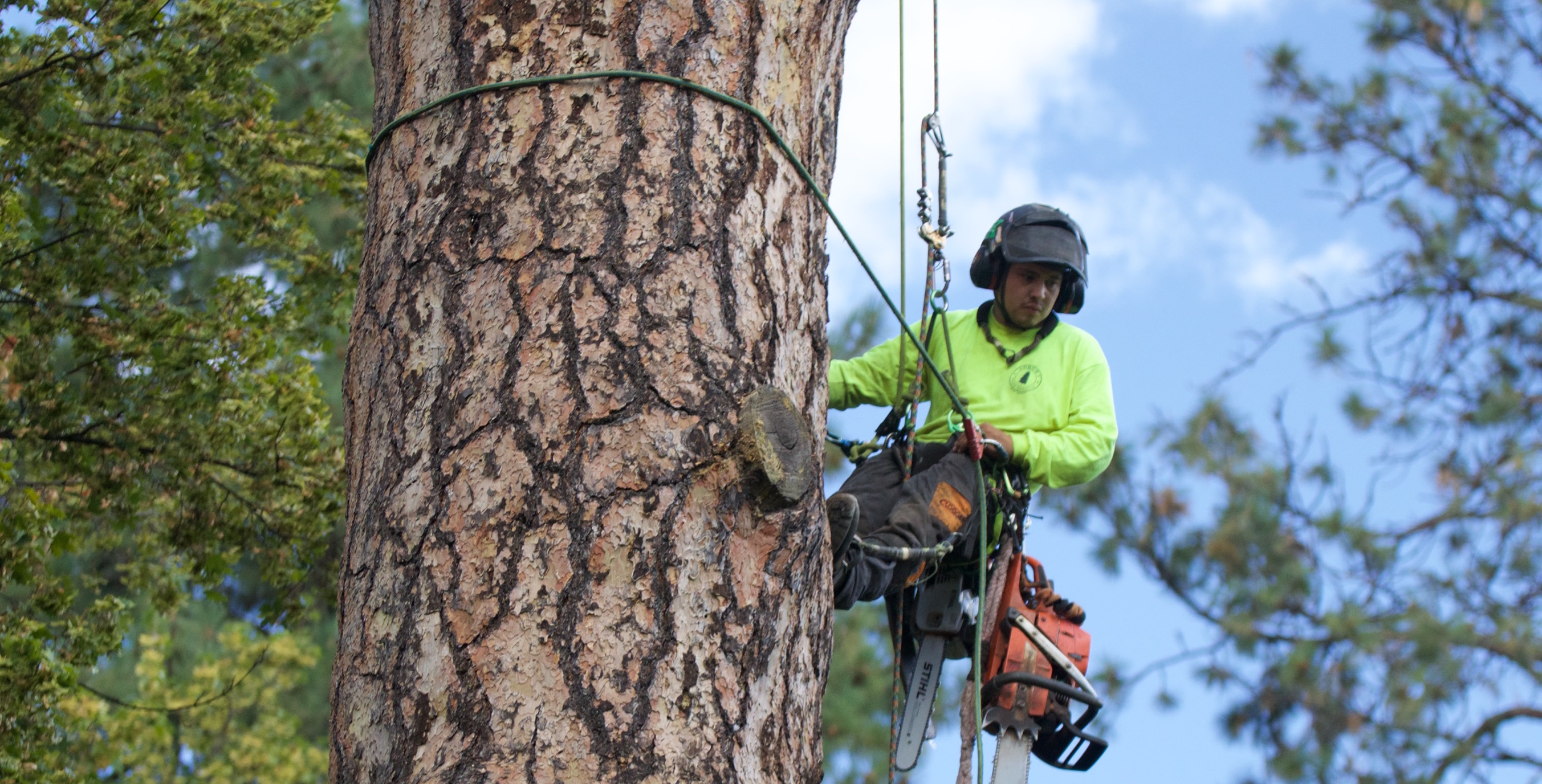
Proper tree felling methods are necessary to ensure the safety of the crew and limiting harm to adjacent areas. Expert tree specialists conduct a detailed analysis of the state of the tree, where it is situated, and the immediate vicinity before beginning the felling process. Professionals employ dedicated machinery, such as ropes and cutting tools, to ensure accurate cutting and manage the tree during its descent.
A well-planned removal strategy includes identifying potential hazards, such as structures or overhead wires, which can affect the security of the job. Professionals commonly utilize the process called "sectional dismantling," in which the tree is taken apart in manageable pieces, lessening the hazard posed by dropping wood.
In addition, they follow local regulations and guidelines to guarantee compliance and environmental stewardship. Once the tree is down, proper cleanup and disposal of the tree debris, including stump grinding, help improve the overall security and visual appeal of the area.
Guidelines for Tree Installation
Planting and transplanting trees requires careful consideration of site selection and planting techniques to guarantee long-term health and growth. Choosing the correct site significantly influences a tree's development, and correct installation techniques reduce trauma and aid in successful rooting. Professionals stress these considerations as critical for improving the strength and endurance of trees in any landscape.
Proper Site Selection
Selecting an appropriate site for planting or transplanting trees is essential for their sustained health and success. Factors such as soil quality, sunlight exposure, and drainage must be carefully evaluated. Professional arborists assess the site's characteristics, ensuring that the chosen spot provides adequate nutrients and support for the tree species. Furthermore, the nearness to established constructions and surrounding flora is vital to avoid resource contention and avoid potential damage. Tree specialists also factor in the tree’s maximum height and width and root system, making sure there is ample room to expand. Via an in-depth assessment of the location, these experts help clients reach educated conclusions that promote healthy, thriving trees, which boosts the landscape’s beauty and environmental worth.
Best Practices for Planting
Once the site has been carefully assessed and selected, the subsequent phase requires using optimal methods for planting trees. Proper preparation of the planting hole is vital; it should be twice the width of the root ball and the same depth as the root ball. It is necessary to set the tree in the hole so that the upper surface of the roots aligns with the surrounding soil. Backfill with native soil, making sure to eliminate air gaps, and irrigate completely to help the roots settle in initially. Adding a layer of mulch near the trunk aids in water retention and keep weeds down. Florence Arborist. For transplanting existing trees, it’s important to minimize root disturbance and transplant during dormancy for the highest rate of success. Implementing these practices promotes robust development and extended health
Emergency Response to Storm Damage
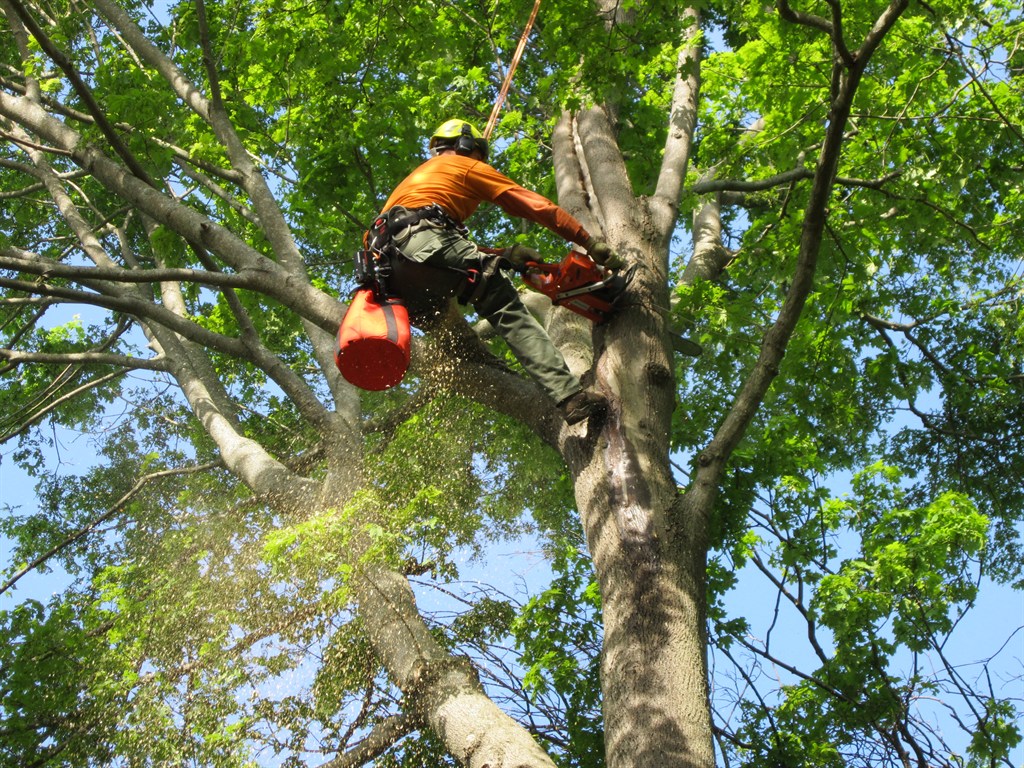
After powerful weather events occur, the resultant conditions may leave trees in dangerous states, posing risks to property and safety. Professional arborists play a vital role in immediate action, evaluating storm-damaged trees to determine their stability and health. With their skill, they can discern which trees are recoverable and which are serious, instant risks that must be removed.
Armed with the right gear, tree experts are able to securely trim fractured limbs and clear debris, minimizing further damage to nearby locations. The experts also give useful recommendations on risk mitigation, such as selecting resilient tree species for subsequent landscaping.
Beyond just quick action, professionals guide property owners through the future impacts resulting from the weather, providing advice for restoration and healing. By acting swiftly and efficiently, professional arborists not only protect property but also aid in the recovery of the local environment after severe storms.
Nutrient Assistance and Earth Maintenance
After the devastation caused by storm damage, the priority becomes the well-being of the trees that remain, highlighting the significance of nutrient assistance and ground care. A professional arborist evaluates soil conditions and tree health to figure out exact dietary needs. Trees require essential nutrients, such as nitrogen, phosphorus, and potassium, to heal and grow strong post-stress incidents.
Earth maintenance is vital to nutrient availability and root growth. Experts might advise ground improvements, like organic matter, to enhance the ground's composition and the action of microorganisms. The correct pH balance are also assessed, as they affect how important resource nutrients are absorbed.
Using mulching methods can improve moisture retention and prevent weed growth, making a suitable condition for trees to heal. With a detailed feeding regimen and applying successful ground care techniques, arborists guarantee trees recover their vigor, resilience, and total well-being, vital for keeping the environment stable following ecological disruptions.
Questions and Answers
How Often Should I Have My Trees Inspected?
Trees should be checked annually for maximum vitality. However, more frequent evaluations may be necessary for younger trees, after severe weather events, or if they show signs of stress or sickness.
Which Credentials Should I Seek in an Arborist?
In your search for a tree expert, one should look for credentials like ISA (the ISA) accreditation, relevant experience, proper liability insurance, and a good standing locally, guaranteeing skill in tree care and safety practices.
Are There Specific Tools Arborists Use for Tree Care?
Arborists utilize various specialized tools for tree care, like chainsaws, pruning shears, climbing gear, and stump grinders. Every piece of equipment has a distinct function, allowing for proper upkeep, pruning, and tree extraction and boosting total well-being and safety.
In What Ways Does the Weather Impact Tree Health?
The state of the weather strongly influences tree health; excessive rain can lead to root rot, while drought stresses trees. Harsh weather conditions may cause damage to leaves and branches, which affects development, resilience, and total vitality of the trees.
Can I Perform Tree Care Myself, or Should I Hire a Professional?
Even though a few fundamental tree care duties can be done by people themselves, calling in a specialist is frequently the best option - Florence Arborist. Professionals have the necessary tools and specific knowledge, ensuring that trees receive the appropriate care required for optimal development and health